
Saudi Digital Economy 2026: Vision 2030’s Tech-Driven Transformation Guide
The Saudi Digital Economy has evolved from an ambitious vision into one of the most dynamic digital transformation stories in the world. At its core lies a comprehensive integration of digital technologies across every aspect of business, government, and daily life in Saudi Arabia. This encompasses the explosive growth of e-commerce, the rapid expansion of fintech and digital payments, cutting-edge cloud computing infrastructure, artificial intelligence initiatives, and groundbreaking smart city projects like NEOM. The Saudi Digital Economy now contributes approximately SAR 495 billion (USD 131 billion), representing 15-16% of the nation’s GDP according to the General Authority for Statistics (GASTAT) and the World Economic Forum.
This digital transformation serves as the cornerstone of Vision 2030, the Kingdom’s comprehensive development blueprint aimed at diversifying the economy and reducing dependence on oil revenues. The significance of the Saudi Digital Economy extends beyond economic metrics—it represents a fundamental shift in how the nation builds, operates, and competes in the global marketplace. With 99% internet penetration, 84% 5G coverage, and a young, tech-savvy population, Saudi Arabia has positioned itself as a regional leader in digital innovation. For businesses, investors, and digital professionals, understanding the dynamics of this transformation is essential for identifying opportunities in one of the world’s fastest-growing digital markets.
Table of Contents
Key Sectors Driving the Saudi Digital Economy
The Saudi digital sector comprises multiple interconnected industries, each experiencing remarkable growth and transformation. These sectors form the backbone of the Kingdom’s digital infrastructure and represent significant opportunities for businesses and investors alike. Understanding these key drivers provides insight into where the most substantial growth and innovation are occurring.

E-Commerce: The Engine of Digital Retail
E-commerce in Saudi Arabia has emerged as one of the most vibrant segments of the digital landscape, experiencing unprecedented growth that shows no signs of slowing. According to Mordor Intelligence and Research and Markets, the Saudi e-commerce market reached approximately USD 27.96 billion in 2025 and is projected to grow at a CAGR of 12.1% to reach USD 49.49 billion by 2030. Some market analysts project even more aggressive growth, with estimates suggesting the market could reach USD 54.87 billion by 2031.
Several factors drive this exceptional growth. The Kingdom boasts nearly 99% internet penetration and 78% 5G coverage, creating an always-connected consumer base ideally suited for digital commerce. Consumer behavior has fundamentally shifted, with over 91% of Saudis now shopping online regularly. The younger demographic—with 71% of the population under 35—exhibits particularly strong digital purchasing habits, with 14% making online purchases at least once daily. For businesses looking to tap into this market, understanding consumer behavior patterns in Middle East e-commerce provides essential strategic insights.
The e-commerce landscape features both global giants and strong local platforms. Amazon.sa and Noon dominate the marketplace, while specialized platforms like Jarir, Jahez, and HungerStation have carved significant niches in books, food delivery, and grocery services respectively. The food delivery segment alone, led by HungerStation and Jahez (which together hold over 67% market share), has seen GMV growth exceeding 31% year-over-year. The Mada payment network processed USD 52.6 billion in e-commerce sales in 2024, representing a 25.8% increase from 2023—a clear indicator of the sector’s momentum.
Cloud Computing: Building the Digital Foundation
Cloud computing represents a foundational pillar of the Saudi Digital Economy, enabling digital transformation across every sector. Market estimates vary based on methodology, but the consensus points to substantial growth. According to P&S Market Research, the Saudi cloud computing market is valued at approximately USD 20.1 billion in 2025 and is projected to reach USD 55.4 billion by 2032, growing at a CAGR of 15.6%. Other analysts at ResearchAndMarkets project the market reaching USD 38.23 billion by 2033, growing from USD 14.55 billion in 2024 at a CAGR of 11.33%.
The Saudi government’s “Cloud First” policy, adopted in 2019, has been instrumental in driving adoption. This policy mandates that government agencies prioritize cloud-based solutions for their digital services, creating substantial demand for cloud infrastructure. The establishment of the Cloud Computing Special Economic Zone in Riyadh in 2023, inaugurated by His Royal Highness the Crown Prince, has further accelerated the sector’s growth by providing world-class infrastructure and regulatory support.
Global hyperscalers have committed billions to expanding their Saudi presence. Amazon Web Services announced plans to invest over USD 5.3 billion in a new Saudi Arabia cloud region launching in 2026. In May 2025, AWS and HUMAIN pledged over USD 5 billion for an AI zone in Riyadh. Microsoft is building three data centers set to open in 2026, while Oracle has invested USD 1.5 billion in expanding cloud infrastructure, with a second public cloud region in Riyadh announced. Google Cloud launched its Dammam region in 2023 and continues to expand capabilities.
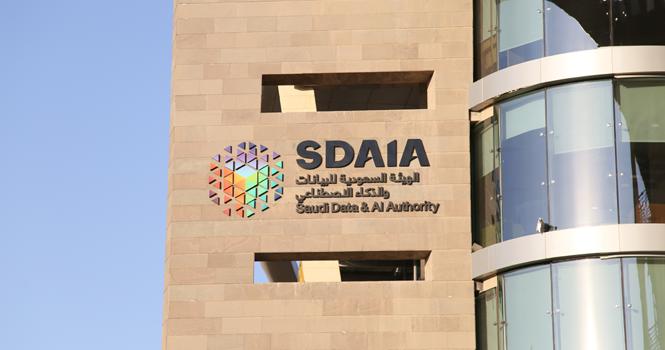
According to the Saudi Data and Artificial Intelligence Authority (SDAIA), the government’s DEEM cloud program has saved government entities over USD 1.33 billion (SAR 5 billion) through cloud adoption. For technical guidance on leveraging cloud infrastructure, my guide on setting up AWS EC2 instances offers practical implementation steps.
Artificial Intelligence: Powering Tomorrow’s Economy
Artificial intelligence stands at the forefront of the Kingdom’s digital transformation, with Saudi Arabia positioning itself as a global AI leader by 2030. According to MarketsandMarkets, the Saudi AI market is estimated at USD 2.14 billion in 2025 and projected to reach USD 16.90 billion by 2032, growing at an exceptional CAGR of 34.3%. Grand View Research estimates even higher figures, projecting growth to USD 60.57 billion by 2030 at a 43.1% CAGR. The combined big data and AI market is expected to reach USD 48.18 billion by 2033 according to Astute Analytica.
The Saudi Data and Artificial Intelligence Authority (SDAIA), established in 2019, oversees the national AI strategy aimed at placing the Kingdom among the top AI nations globally. Under Vision 2030, the government has committed USD 20 billion in AI investments by 2030, focused on training 20,000 AI experts and developing 300 active startups. The launch of Humain in May 2025, operating under the Public Investment Fund with an estimated USD 100 billion commitment, marks a significant milestone in establishing AI sovereignty. Humain is building comprehensive AI infrastructure, including data centers, cloud capabilities, and Arabic large language models.
At the LEAP 2025 technology conference in Riyadh, Saudi Arabia announced over USD 14.9 billion in AI investments, demonstrating the sector’s momentum. Strategic partnerships with global technology leaders continue to expand, including SDAIA’s collaboration with IBM on the Arabic Large Language Model (ALLaM), Oracle’s training program for 50,000 Saudi nationals in AI skills, and Microsoft Arabia’s partnership for generative AI expertise.
In February 2025, Groq secured a USD 1.5 billion commitment from Saudi Arabia to deliver advanced AI chips. As of 2025, Saudi Arabia hosts 33 existing data centers with 42 additional facilities under development, projected to add approximately 2.2 GW of IT load capacity. For insights on how AI is transforming content and business strategies, explore my analysis on AI content strategy and the rise of autonomous AI agents.
Digital Payments and Fintech: The Cashless Revolution
The rise of digital payments and fintech represents one of the most visible transformations in the Saudi Digital Economy. Saudi Arabia has achieved its Vision 2030 cashless transaction target two years ahead of schedule. According to the Saudi Central Bank (SAMA) Vice Governor Khaled Al-Dhaher and fintech research firm Whitesight, electronic payments accounted for 79% of all retail transactions in 2024—up from 70% in 2023 and a dramatic increase from just 36% in 2019. The original target was 70% cashless transactions by 2025.
The fintech ecosystem has expanded remarkably, with over 280 fintech companies operating in the Kingdom by mid-2025, up from 82 companies at the end of 2022. The sector has attracted approximately SAR 9 billion (USD 2.39 billion) in investments. Digital-only banks have emerged as key players, with Vision Bank launching operations in September 2025 and EZ Bank receiving approval for a digital banking license. Tamara, the Kingdom’s first fintech unicorn, secured an asset-backed financing facility of up to USD 2.4 billion in November 2025, demonstrating investor confidence in the sector.
The payment infrastructure continues to evolve rapidly. The Mada payment network has seen e-commerce transactions grow from 170 million in 2020 to 1.12 billion in 2024. SAMA launched its Open Banking Framework in 2022, enabling secure API-based data sharing between banks and licensed fintechs. Payment Initiation Services (PIS) rolled out in September 2024, while Google Pay launched in 2025, joining Apple Pay (launched in 2019) and Samsung Pay (2024). The SADAD electronic bill payment system addressed over 360 million bills with a value of SAR 817 billion in 2024. For businesses exploring payment innovations, understanding Buy Now Pay Later (BNPL) services in Saudi Arabia and digital wallet trends is essential.

Smart Cities and Digital Infrastructure
Smart city development represents a flagship component of Vision 2030 and the Saudi Digital Economy. NEOM, the USD 500 billion (total project estimated at USD 1.5 trillion) mega-development, embodies the Kingdom’s ambition to create the world’s most technologically advanced urban environments. The centerpiece, The Line, is a 170-kilometer linear city designed as a zero-carbon environment without cars or streets, integrating AI, IoT, and advanced data analytics throughout its operations.
While construction continues, timelines have been adjusted to reflect project complexity. The first 2-5 kilometers of The Line are expected to be structurally completed by late 2026, with portions opening to early residents through 2030. Full completion of the 170-kilometer stretch is now projected for 2045. Sindalah, the luxury island resort, opened to visitors in 2025. Trojena, the mountain region, is on track for completion by 2026 and will host the 2029 Asian Winter Games. A new international airport is scheduled for mid-2026. NEOM’s digital infrastructure includes a USD 5 billion AI data center in Oxagon powered by 100% renewable energy, with over 75% of NEOM’s infrastructure designed to incorporate 5G connectivity.
Beyond NEOM, the Kingdom is investing heavily in digital infrastructure nationwide. Fiber-optic network coverage has expanded to over 3.9 million homes, while internet penetration has reached nearly 99% with 5G coverage at 84% of the population. The ICT market surpassed SAR 180 billion by 2024, making Saudi Arabia the largest technology market in the region. Data center capacity increased by 42% in 2023, reaching 290.5 megawatts, and the Ministry of Communications and Information Technology (MCIT) aims to build data center capacity to 1.5 gigawatts by 2030, attracting USD 18 billion in investment.
The table below provides a comprehensive snapshot of the key sectors within the Saudi Digital Economy as of 2025-2026:
| Sector | 2025 Value | Future Projection | CAGR | Key Driver |
|---|---|---|---|---|
| E-Commerce | USD 27.96B | USD 49.49B (2030) | 12.1% | Mobile commerce, 99% internet penetration |
| Cloud Computing | USD 20.1B | USD 55.4B (2032) | 15.6% | Cloud First policy, hyperscaler investments |
| Artificial Intelligence | USD 2.14B | USD 16.90B (2032) | 34.3% | Humain launch, LEAP 2025 investments |
| Digital Payments | 79% cashless | 80%+ target (2030) | 6.96% | Fintech expansion, mobile wallets |
| Smart Cities/Data Centers | 290.5 MW | 1.5 GW (2030) | 29% | NEOM, hyperscaler data centers |
Government Initiatives and Strategic Policies
The Saudi government has been the driving force behind the rapid digital expansion. Through Vision 2030 and the National Transformation Program (NTP), massive investments in digital infrastructure, e-government services, and regulatory reforms have created a supportive ecosystem for digital innovation. The government has digitized over 97% of government services as part of the National Transformation Program, creating substantial demand for scalable cloud infrastructure.
Key institutional drivers include the Digital Government Authority (DGA), which coordinates digital transformation across government entities, and the Saudi Central Bank (SAMA), which has pioneered fintech regulation and the Open Banking Framework. The Communications, Space & Technology Commission (CST) oversees the National Frequency Spectrum Strategy 2020-2025, enabling digital growth through optimized spectrum management and supporting 5G deployment and IoT applications.
The regulatory environment has been transformed to attract investment and foster innovation. The Cloud Computing Special Economic Zone provides world-class infrastructure and favorable regulatory treatment for cloud service providers. SAMA’s regulatory sandbox has enabled fintech startups to test innovative services, while expanded licensing frameworks have authorized new payment providers and digital banks. The Personal Data Protection Law (PDPL) provides regulatory clarity that bolsters consumer confidence while establishing clear compliance requirements. For entrepreneurs exploring opportunities in the Saudi market, understanding the requirements for opening an e-commerce website in Saudi Arabia is an essential first step.
Investment Opportunities in the Saudi Digital Sector
The digital sector in Saudi Arabia is generating substantial investment opportunities across multiple dimensions. Foreign direct investment inflows have risen from approximately USD 5.3 billion in 2020 to more than USD 31 billion by 2024, with projections for annual FDI inflows to remain above USD 20 billion in 2025 and beyond. The Public Investment Fund (PIF) has expanded its US equity holdings to USD 26.7 billion as of Q3 2024, reflecting active participation in global technology markets.
Foreign companies now enjoy increased market access through 100% foreign ownership in many tech sectors, alongside attractive tax incentives and streamlined business registration processes. Venture capital activity in tech startups has surged, with investments in fintech, e-commerce, and cloud services attracting particular interest. Government statistics indicate VC investments in e-commerce startups reached SAR 1.6 billion (USD 426.7 million) in 2023. The USD 40 billion AI fund created in March 2024, developed with US venture capital firm Andreessen Horowitz, targets tech startups deploying AI for chip production and large-scale data centers.
Specific high-opportunity areas include AI infrastructure and services (driven by the Humain initiative and SDAIA partnerships), cloud services (particularly those meeting data residency requirements), fintech (especially payment solutions, digital banking, and BNPL services), e-commerce enablement (logistics, last-mile delivery, and platform services), and smart city technologies (IoT, digital twins, and sustainable urban solutions). Hyperscaler investments alone have exceeded USD 21 billion in data center infrastructure commitments. For professionals navigating leadership roles in this transforming landscape, insights on leadership in digital transformation provide valuable guidance.
Challenges and Strategic Considerations
Despite the substantial opportunities, stakeholders in the Saudi digital market must navigate several challenges and strategic considerations. Understanding these factors is essential for sustainable success in the market.
Regulatory compliance and data sovereignty remain key considerations. Companies must stay updated on evolving data localization rules under the Personal Data Protection Law (PDPL), which requires personal data to be stored and processed within Saudi Arabia in certain circumstances. The regulatory environment continues to evolve, and organizations need robust compliance frameworks to adapt to changes. While the Cloud Computing Special Economic Zone addresses many concerns, ensuring full compliance with data residency requirements remains critical for regulated industries.
Cybersecurity threats have increased alongside digital adoption. As more business operations move online, organizations face growing risks from cyberattacks targeting financial systems, customer data, and critical infrastructure. Investment in cybersecurity measures, employee training, and incident response capabilities is essential. For practical guidance, my article on website security essentials provides actionable recommendations.
The digital talent gap presents both a challenge and an opportunity. There is significant demand for cloud computing professionals, AI specialists, data scientists, and cybersecurity experts. Only 35% of the population is familiar with 5G’s potential advantages, indicating consumer awareness challenges. However, government and private sector initiatives are actively addressing this gap through programs like AWS’s commitment to train 2,500 software engineers through a partnership with Manara, Oracle’s initiative to train 50,000 Saudi nationals in AI skills, and the One Million Arab Coders program.
Infrastructure costs for 5G deployment are estimated to exceed USD 3 billion, while competition from established global and regional players requires new entrants to differentiate through service quality, localized solutions, or specialized expertise. Market entrants should carefully evaluate competitive positioning and investment requirements before entering the market.
Future Outlook and Growth Projections
Looking ahead, the digital economy is expected to play an increasingly pivotal role in the Kingdom’s economic diversification and global competitiveness. According to SDAIA, AI contribution to revenue alone is projected to reach USD 135.2 billion by 2030. The non-oil economy now accounts for roughly 76% of total GDP after rebasing, demonstrating the success of diversification efforts.
The technology sector has become a primary focus of Vision 2030’s evolution. As stated by Saudi Economy Minister Faisal Alibrahim at the Future Investment Initiative (FII) 2025, the Kingdom is “reprioritizing a little bit towards sectors that need it the most, and today it’s technology, artificial intelligence.” The goal is to move toward an economic structure that is “productivity-led, and at the heart of productivity is technology, innovation and generative AI.”
Key growth projections through 2030 and beyond indicate that digital sectors will contribute significantly to non-oil GDP and job creation. The e-commerce market is projected to continue double-digit growth rates, while AI and cloud computing could see annual growth rates exceeding 30% in certain segments. The Kingdom’s non-oil sector is projected to grow 5.8% in 2025, up from 4.5% in 2024. Female labor force participation has increased from 17.4% in 2017 to around 36% by 2023, with digital sectors playing a key role in creating opportunities.
Saudi Arabia’s S&P credit rating was upgraded to ‘A+’ in March 2025, citing sustained economic reforms and diversification away from oil dependence. Major projects like NEOM, advancements in AI and cloud computing, the continued expansion of fintech services, and the emergence of digital-only banks all point to a vibrant future for the Saudi Digital Economy. For comprehensive insights on emerging technologies reshaping commerce, explore my analysis of e-commerce trends for 2026.
FAQ: Saudi Digital Economy
What is the Saudi Digital Economy and why does it matter?
The Saudi Digital Economy refers to all economic activities powered by digital technologies in Saudi Arabia, including e-commerce, fintech, cloud computing, AI, and smart city innovations. It matters because it represents the Kingdom’s strategic pivot away from oil dependence toward a diversified, technology-driven economy. Contributing approximately SAR 495 billion (USD 131 billion) or 15-16% of GDP, the digital economy is central to Vision 2030’s goal of creating sustainable economic growth and employment opportunities beyond the petroleum sector.
How fast is the Saudi Digital Economy growing compared to other markets?
The Saudi Digital Economy is one of the fastest-growing in the world. E-commerce is expanding at 12% CAGR, cloud computing at 15.6% CAGR, and AI at over 34% CAGR. Saudi Arabia ranks second among G20 countries on the UN ICT Development Index. The Kingdom achieved 79% cashless transactions in 2024—surpassing its 2025 target—while the ICT sector has become the largest in the MENA region at over SAR 180 billion. Data center capacity is projected to grow at 29% annually through 2030.
What are the best investment opportunities in the Saudi Digital Economy?
Top investment opportunities exist in AI infrastructure and services (driven by the USD 100 billion Humain initiative), cloud services meeting local data residency requirements, fintech solutions including digital payments and BNPL services, e-commerce enablement and logistics, and smart city technologies. Foreign investors can now own 100% of companies in many tech sectors, with attractive tax incentives available. VC funding in tech startups has surged, with the USD 40 billion AI fund offering significant opportunities for high-growth ventures.
How is Vision 2030 transforming digital infrastructure in Saudi Arabia?
Vision 2030 has accelerated digital transformation through massive infrastructure investments, regulatory reforms, and ambitious targets. Key achievements include 99% internet penetration, 84% 5G coverage, digitization of 97% of government services, and the establishment of the Cloud Computing Special Economic Zone. The Cloud First policy mandates government cloud adoption, while hyperscalers including AWS, Microsoft, Google, and Oracle have committed over USD 21 billion in data center investments. NEOM represents the ultimate expression of Vision 2030’s digital ambitions.
What challenges should businesses be aware of when entering the Saudi digital market?
Key challenges include regulatory compliance with the Personal Data Protection Law (PDPL) and data localization requirements, increasing cybersecurity threats accompanying digital adoption, a digital talent gap requiring investment in local workforce development, high infrastructure costs (5G deployment exceeds USD 3 billion), and competition from established global and regional players. However, government initiatives are actively addressing talent gaps through training programs, and regulatory frameworks continue to evolve to support innovation while ensuring consumer protection.
How has Saudi Arabia achieved such rapid adoption of digital payments?
Saudi Arabia’s rapid digital payment adoption—from 36% cashless transactions in 2019 to 79% in 2024—results from coordinated infrastructure development, regulatory support, and consumer readiness. The Mada payment network serves as the backbone, processing over 1.12 billion e-commerce transactions in 2024. SAMA’s Open Banking Framework, mobile wallet integrations (Apple Pay, Samsung Pay, Google Pay), and the expansion to over 280 fintech companies have created a comprehensive ecosystem. The young, mobile-first population (97% smartphone penetration, 71% under 35) embraced digital payments rapidly.
What role does artificial intelligence play in Saudi Arabia’s economic future?
AI is positioned as a cornerstone of Saudi Arabia’s economic future, with USD 20 billion committed through 2030 and the USD 100 billion Humain initiative launching in 2025. SDAIA projects AI will contribute USD 135.2 billion to revenue by 2030. The LEAP 2025 conference attracted over USD 14.9 billion in AI investments. AI is being deployed across healthcare (diagnostic imaging, personalized treatments), finance (fraud detection, credit scoring), energy (predictive maintenance), and urban planning (NEOM’s cognitive city systems). The National Strategy for Data and AI aims to position Saudi Arabia among global AI leaders by 2030.
How will NEOM and smart city projects impact the broader Saudi Digital Economy?
NEOM and related smart city projects will create massive demand for digital technologies while serving as innovation testbeds for the broader economy. The USD 5 billion AI data center in Oxagon, powered entirely by renewable energy, will support advanced AI workloads. Over 75% of NEOM’s infrastructure incorporates 5G connectivity. The project will drive demand for IoT sensors, digital twin technology, autonomous transportation systems, and integrated smart grid solutions. Success at NEOM will demonstrate capabilities that can be deployed across existing Saudi cities, with plans to equip five cities with smart infrastructure to rank among the world’s top 100.
Conclusion: Embracing Digital Transformation
The Saudi Digital Economy has evolved from a bold vision into a tangible reality that is reshaping how the Kingdom operates and competes globally. Driven by strong government initiatives under the leadership of His Royal Highness Crown Prince Mohammed bin Salman, substantial private sector investments, and a rapidly growing tech-savvy population, Saudi Arabia has established itself as a regional leader in digital innovation with global ambitions.
The transformation is comprehensive and accelerating. E-commerce markets are projected to nearly double by 2030. Cloud computing infrastructure is expanding with billions in hyperscaler investments. Artificial intelligence initiatives are positioning the Kingdom among global leaders. Digital payments have achieved targets years ahead of schedule. Smart city projects like NEOM are pushing the boundaries of what’s possible in urban development. These developments collectively represent one of the world’s most exciting digital transformation stories.
For investors, businesses, and professionals, the Saudi Digital Economy presents exceptional opportunities alongside important considerations. Success requires understanding regulatory requirements, investing in local talent and partnerships, and aligning with Vision 2030’s strategic priorities. Those who navigate these factors effectively will find a market offering substantial growth potential, supportive government policies, and a population eager to embrace digital innovation.
As the digital landscape matures, staying informed and agile will be essential for success. The Kingdom’s commitment to technology, innovation, and economic diversification shows no signs of slowing, making the Saudi Digital Economy one of the most compelling digital growth stories of the decade. The future is being built today, and the opportunities for those ready to participate are substantial.
Related reading:
- The Spectacular Digital Transformation Journey of Saudi Arabia
- The Evolution and Impact of Social Media Marketing in Saudi Arabia
- GA4 Ecommerce Tracking for Saudi Arabia
- New Saudi Riyal Symbol: Unlock Its Power in Digital Use
Sources: General Authority for Statistics (GASTAT), Saudi Central Bank (SAMA), Saudi Data and Artificial Intelligence Authority (SDAIA), World Economic Forum, Mordor Intelligence, MarketsandMarkets, P&S Market Research, DataReportal Digital 2025, Whitesight, Arab News, CNBC, Middle East Institute. Data current as of January 2026.

Husain Alhaboubi is Director of Digital Channels at Mobily, where he leads platform optimization, AI-powered customer engagement, and UI/UX strategy. With 20+ years of experience spanning eCommerce, IT infrastructure, and digital marketing, he previously drove a 225% revenue increase and 69% organic traffic growth as eCommerce Senior Manager at flyadeal, and managed enterprise IT operations — including data centers, ERP systems, and network security — as Group IT Manager at IPD Group.
Husain holds a BS in Information Systems from the University of Texas at Arlington and is certified in Google Ads, Google Analytics, and Semrush SEO. He writes from hands-on experience across both sides of digital business: the strategic (eCommerce, SEO, AI, digital transformation) and the technical (server administration, cloud computing, web development, networking, and security) — with a particular focus on the Saudi market and Vision 2030. Read his full resume →